
Travel Guide
New Train Will Connect 2 Of Europe’s Most Vibrant Yet Underrated Capitals
Feb
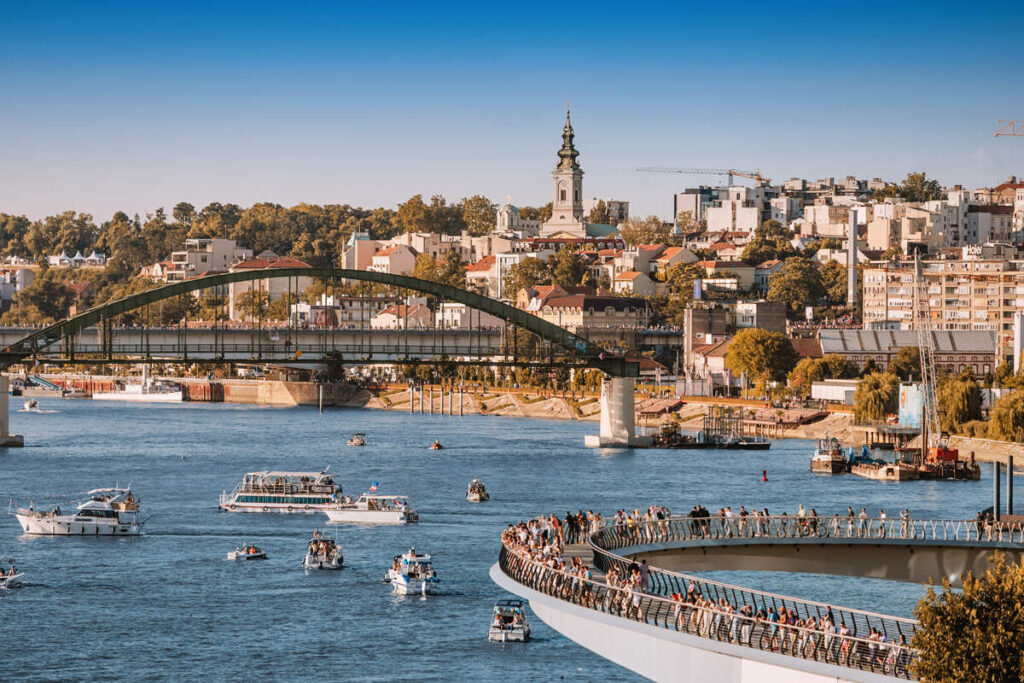
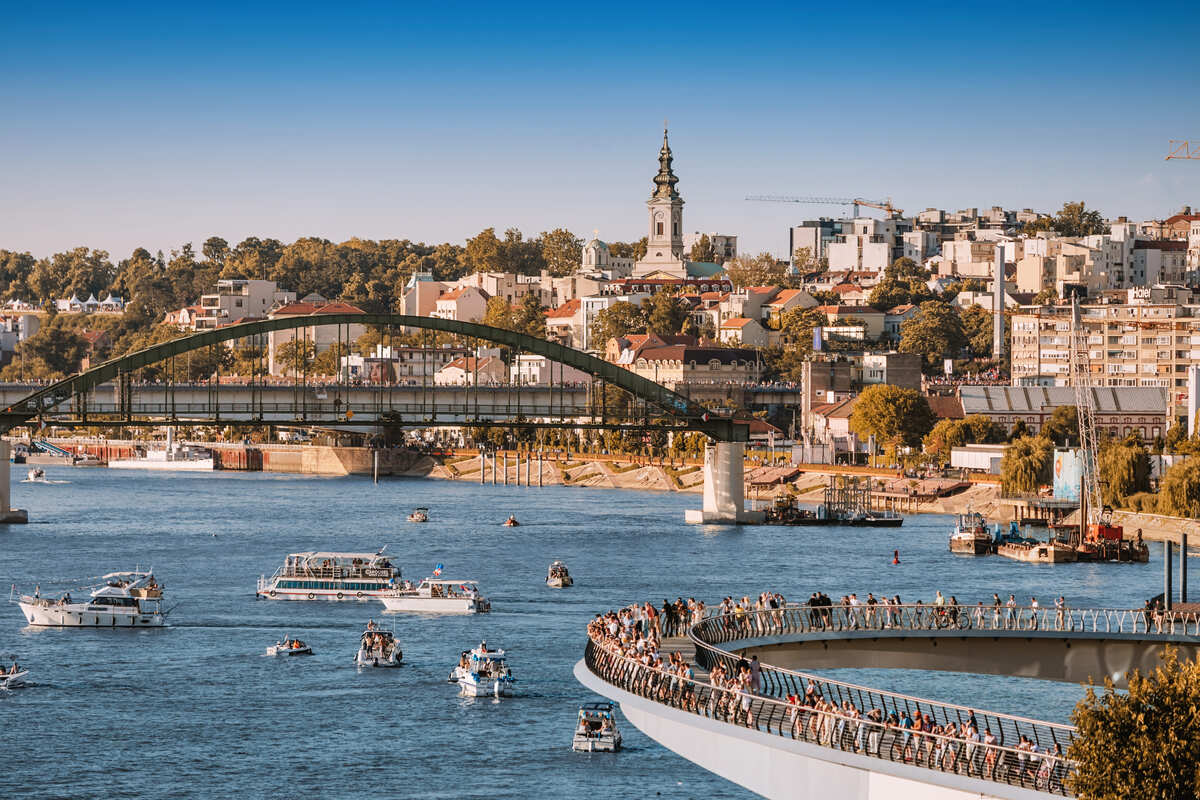
A full 7 years after the service was initially suspended, the direct train linking Budapest, Hungary’s vibrant capital, to Belgrade, Serbia’s capital, is officially relaunching this spring.
Two of the fastest-rising destinations in Central-Eastern Europe, Budapest and Belgrade are sister cities sharing a long, intertwining history, and soon enough, travelers commuting between both spots will no longer have to resort to wearyingly long, inefficient bus lines.
But why is this good news for tourists, or particularly American tourists, you may be wondering?
Direct Trains From Hungary To Serbia Are Back!
Starting in March 2026, the Budapest–Belgrade railway line will reopen, pending ‘final safety approvals’ on the Hungarian side.
Freight trains will start first on February 27, 2026, so the line is fully operational, but passenger trains will follow once the Hungarian section has completed signalling and control tests on the Soroksár–Kelebia section.
The good news is, it’s already in the ‘final’ commissioning phase.
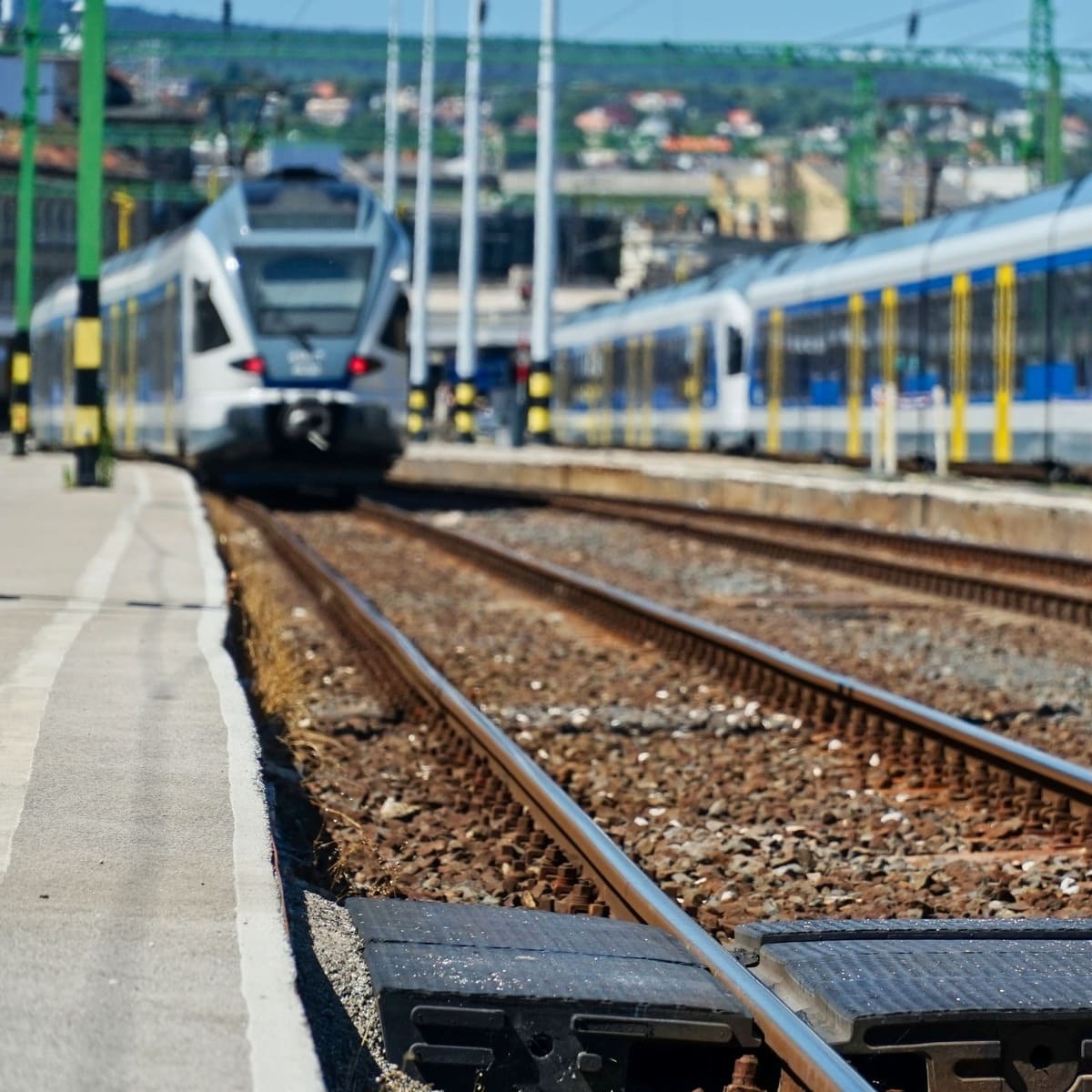
Technicalities aside, the new line has a total length of 217 miles, 103 of which are in Hungary. That’s worth noting, given that it’s precisely the Hungarian section that has been upgraded to double track, reaching speeds of up to 99.4 mph.
According to initial plans, there will be around 6 round-trips per day, with trains leaving roughly 2 hours from Budapest’s Keleti station.
How Fast Is The New Train?
It is scheduled to reach Belgrade Center station 3h15 later, significantly faster than the old service, which could take up to 8h30, taking into account border delays.
Faster as it may be, the new train won’t be the perfectly smooth ride travelers expect from European train journeys: Hungary is part of the Schengen Area, while Serbia is not, so once the border is crossed at Kelebia, you should expect to undergo regular passport control (and visa checks if applicable).
Americans do not need visas to travel to Hungary, the wider Schengen Area, or Belgrade. However, from late 2026, they will need to apply for a mandatory travel permit to access the Schengen states, so keep that in mind if traveling on this line in the future.
On the brightside, passport and customs controls will take place only once at Kelebia, with Hungarian and Serbian authorities handling passport and travel documents jointly. No long wait times, either: procedures are expected to take no longer than 30 minutes.
The Potential Train Route
From Budapest
- Budapest Keleti, Hungary
- Kiskunhalas, Hungary
- Kelebia, Hungary
- Subotica, Serbia
- Novi Sad, Serbia
- Belgrade, Serbia
Why Visit Budapest, Hungary In 2026
Budapest is perhaps the most iconic city to straddle the fast-flowing Danube River. With a red-domed Parliament to call its own, and a timeless historic center filled with elegant Habsburg-era buildings, it’s European imperial grandeur at its peak.

Must-sees include the river promenade, where several of Budapest’s landmark edifices are, Buda Castle, an imposing royal residence perched on a mound overlooking the Danube, and the Fisherman’s Bastion, a turret-flanked terrace overlooking the spire-dotted city.
ANALYZING LIVE SIGNALS…
CONNECTING TO DATABASE…
✅ VOTE RECORDED
⚠️ YOU ALREADY VOTED
NO INCIDENT REPORTS (SHOWING BASELINE)
For classic European fairytale vibes, make sure you add Vajdahunyad Castle to your bucket list: a Gothic Revival castle surrounded by a moat, in the heart of a lush urban park, it pays homage to Hungary’s rich medieval heritage and royal history.
Of course, there’s no Budapest without its plethora of thermal baths.

The city is built on top of numerous natural springs known for their healing properties, and whether it’s at the iconic Széchenyi, with its neo-Baroque architecture, or a more unassuming, Ottoman-era Rudas Baths, sinking into a heated pool, drink in hand, is all the relaxation you need after a full day of sightseeing.
Oh, and if you love food, you might want to swing by Karaván, an open-air street food court in the Jewish Quarter where you can get authentic deep-fried flat bread (lángos), and enjoy an ice-cold beer while mingling with the locals.
Why Visit Belgrade, Serbia In 2026
Belgrade used to be one of Europe’s most unsung destinations, until word got out that the clubbing scene is as wild as Berlin, the social scene is probably as lively as London, without the stuck-up attitude, and the medieval ensemble is as stunning as your average Western European hub.

Lying at the confluence of the Danube and Sava rivers, this sprawling, high-rise capital revolves around a picture-perfect Old Town district, though its forward-thinking outer districts and repurposed spaces help keep it moving rather than frozen in its medieval past.
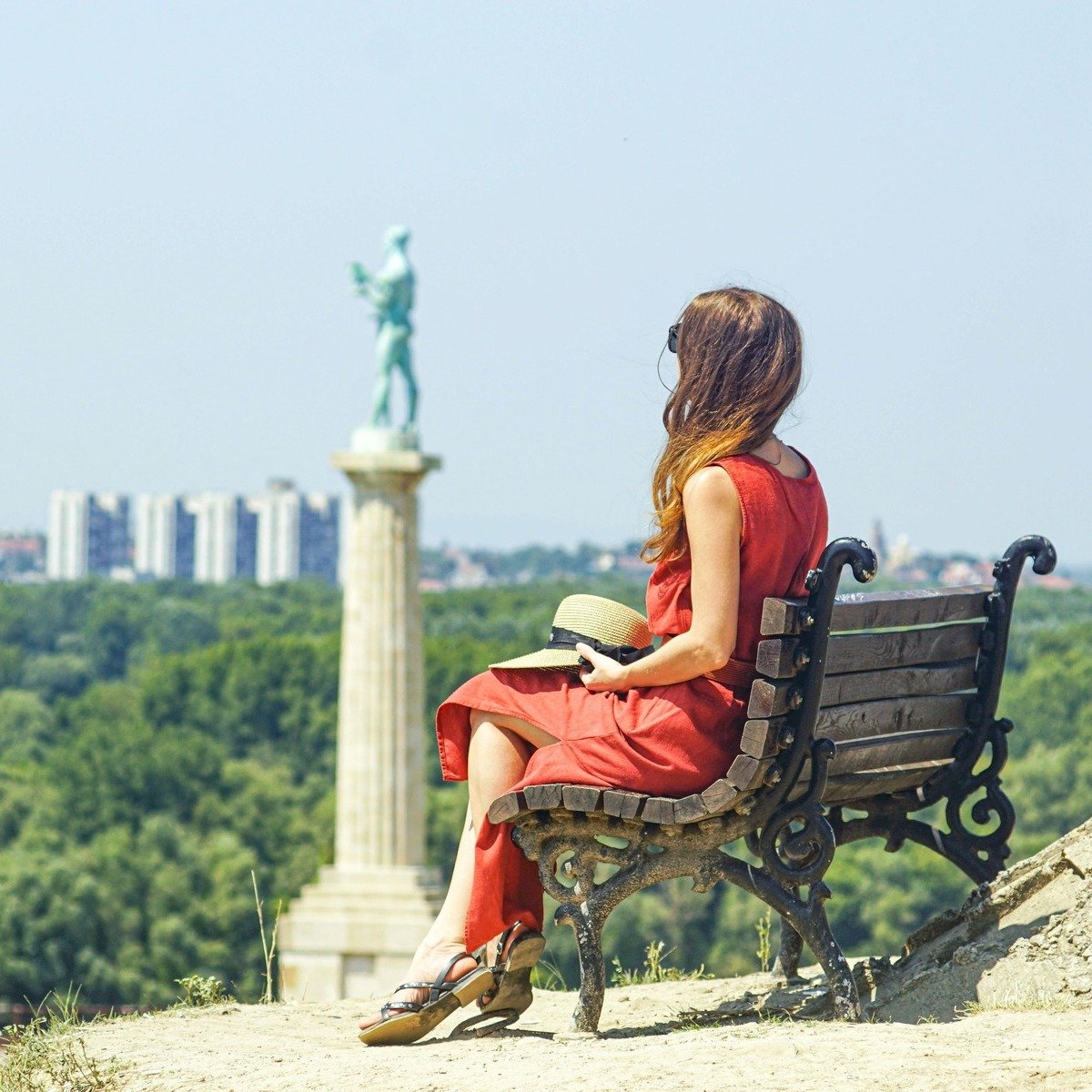
For history lovers out there, don’t miss Kalemegdan, the city’s most important historic site: a fortress with ramparts, romantic drawbridges, and verdant courtyards that offer epic views of the Danube.
For a café stop, hit up Knez Mihailova Street, Belgrade’s most beautiful pedestrian street, lined with French-style, end-of-century buildings, upscale eateries, and boutiques.

Nearby, Skadarlija is your typical Bohemian quarter, with cobbled lanes, buskers at every turn, and a myriad of quirky art galleries. If you’re looking for the small town vibes, however, take a bumpy bus ride from the city center out to Zemun, one of Belgrade’s quieter districts:
Lying at the foot of a historic, red-brick watchtower, it boasts picturesque winding alleys, red-tile-roofed houses, and Sunday markets with a wide variety of farm-to-table cheeses and fresh fruit.
Belgrade just has so much to offer, but if you’re here for the legendary under-the-radar nightlife, FABRIKA is a good place to start. It’s no Berghain, but it’s still Berlin-coded through and through: a repurposed industrial factory with a towering chimney, covered in graffiti, and hosting late-night raves—some of them unofficial.
Don’t kiss and tell.

The Travel Off Path Advantage: Your Travel Toolkit
Subscribe To Our Latest Posts
Enter your email address to subscribe to Travel Off Path’s latest breaking travel news, straight to your inbox.
